Offshore Company Formations Costs Breakdown: What to Budget
Wiki Article
Just How Offshore Company Formations Work: A Step-by-Step Overview for Business Owners
Offshore business formations can give significant advantages for business owners seeking tax obligation optimization and property defense. The process involves numerous essential steps, starting with mindful jurisdiction choice and comprehensive paperwork preparation. Engaging expert services is important for compliance. Nonetheless, several forget the ongoing responsibilities that adhere to initial enrollment. Comprehending these intricacies can make a substantial difference in leveraging overseas opportunities properly. The next steps are necessary for lasting success.Comprehending Offshore Companies: What They Are and Why They Matter
The concept of offshore companies might seem complicated, comprehending their basic nature and importance is vital for both people and companies looking for to optimize their monetary strategies. Offshore business are entities signed up outside the person's nation of house, typically in jurisdictions that provide desirable governing settings. These companies can provide different benefits, such as tax optimization, possession security, and improved personal privacy.For entrepreneurs, developing an overseas business can help with international trade, minimize operational costs, and expand market reach. Furthermore, overseas firms commonly allow for structured compliance with global laws. People might likewise use offshore structures to protect personal assets from political or financial instability in their home countries. Ultimately, the allure of overseas business exists in their capability to improve economic adaptability and give calculated benefits in a progressively interconnected international economic climate - Offshore Company Formations. Recognizing their operational framework and advantages is essential for making educated decisions
Picking the Right Territory for Your Offshore Business
Choosing the ideal jurisdiction for an overseas firm is vital for making best use of tax benefits and making certain conformity with local regulations. Various territories supply varying tax obligation incentives and regulative settings that can considerably impact organization operations. Subsequently, a mindful analysis of these variables is necessary for informed decision-making.Tax Obligation Advantages Review
When considering the establishment of an offshore company, recognizing the tax obligation advantages connected with different jurisdictions is vital. Various places supply special benefits, such as reduced or absolutely no business tax obligation rates, which can significantly improve earnings. Some jurisdictions offer tax obligation rewards for certain kinds of services, bring in business owners seeking decreased tax responsibilities. Additionally, certain nations enforce desirable tax obligation treaties that lessen dual taxes on international revenue, guaranteeing that businesses preserve even more incomes. The choice of territory likewise influences value-added tax (VAT) and other neighborhood taxes. Business owners must evaluate these variables very carefully to pick an area that lines up with their company objectives, maximizing tax obligation efficiency while continuing to be certified with global guidelines.Regulatory Atmosphere Considerations
Picking the best territory for an overseas business calls for a comprehensive understanding of the regulative setting, as various nations impose varying degrees of conformity and administration. Entrepreneurs need to examine aspects such as lawful structures, tax laws, and reporting obligations. Territories like the British Virgin Islands and Cayman Islands are typically preferred for their business-friendly regulations and marginal coverage requirements. On the other hand, some nations may enforce rigorous guidelines that can complicate procedures and increase expenses. Additionally, the political security and track record of a jurisdiction can influence the long-lasting stability of the overseas firm. Mindful factor to consider of these regulatory facets is essential to guarantee that the chosen jurisdiction straightens with the business's functional demands and calculated objectives.Preparing the Needed Paperwork
Preparing the necessary documentation is an important action in the overseas business formation procedure. Entrepreneurs need to gather numerous lawful and identification documents to promote their firm's establishment in a foreign territory. Generally, this consists of a comprehensive business plan laying out the business's goals and functional approaches. In addition, individual recognition documents, such as keys or vehicle driver's licenses, are required from the firm's shareholders and supervisors.In several situations, proof of address, like utility costs or bank declarations, is needed to validate the identities of the entailed parties. Additionally, certain types dictated by the jurisdiction, including application types for registration, need to be completed properly. Some jurisdictions might additionally need an affirmation of the nature of company tasks and compliance with local regulations. Completely preparing these files assures a smoother registration process and helps minimize prospective hold-ups or problems, inevitably establishing a strong foundation for the offshore entity.
Engaging Expert Solutions for Offshore Formation
Involving professional services in overseas development can considerably enhance the performance and effectiveness of the procedure. Entrepreneurs commonly encounter complexities that can be overwhelming, making expert assistance invaluable. Expert companies concentrating on overseas formations offer a wide range of expertise regarding jurisdiction choice, business structure, and regional market problems.These specialists can aid in composing important paperwork, guaranteeing accuracy and conformity with details requirements. They also aid enhance communication with regional authorities, minimizing the likelihood of hold-ups or misconceptions. Additionally, professional services can use insights into critical benefits, such as tax obligation benefits and possession defense, tailored to the business owner's certain needs.
Navigating Regulatory Conformity and Legal Requirements
Comprehending the governing landscape is important for business owners beginning on offshore company developments. Conformity with regional legislations and worldwide policies is vital to prevent lawful pitfalls. Each territory has particular demands regarding firm enrollment, reporting, and tax, which should be completely investigated.Business owners need to familiarize themselves with the regulations governing corporate structure, ownership, and operational methods in the chosen offshore place. Additionally, anti-money laundering (AML) and understand your consumer (KYC) guidelines typically use, requiring appropriate documentation and confirmation procedures.
Engaging with lawyers that concentrate on overseas solutions can supply vital guidance on maneuvering with these complexities. Making certain conformity not only shields the firm from potential legal concerns but likewise improves integrity with regulators, capitalists, and partners. By sticking to the proposed lawful structures, entrepreneurs can properly take advantage of the benefits of offshore firm formations while minimizing dangers related to non-compliance.
Establishing Up Financial and Financial Accounts
When an ideal bank is identified, business owners generally need to prepare and send various papers, including evidence of identity, organization enrollment papers, and a description of the designated company activities. (Offshore Company Formations)
Some banks might also call for a minimum deposit to open up an account. this contact form Entrepreneurs ought to be prepared to address concerns concerning the resource of funds and service operations. By completely recognizing the banking landscape and abiding by the financial institution's demands, entrepreneurs can secure their overseas firm has Read More Here seamless accessibility to crucial economic services for reliable operation.
Keeping Your Offshore Company: Recurring Obligations and Best Practices
Maintaining an overseas firm entails a number of recurring responsibilities that are crucial for conformity and operational stability. Secret elements consist of adhering to yearly conformity needs, keeping exact economic documents, and understanding tax responsibilities. These elements are essential for making certain the firm's durability and lawful standing in its territory.Yearly Conformity Demands
While establishing an overseas business uses numerous benefits, it also involves ongoing obligations that can not be neglected. Yearly conformity needs differ by jurisdiction however typically consist of submitting yearly returns and economic declarations to neighborhood authorities. Firms have to additionally pay yearly charges, which can consist of enrollment revivals and tax obligations, relying on the area. Furthermore, many territories need keeping a licensed workplace and a neighborhood rep. Failing to comply with these policies can lead to penalties, consisting of fines and even dissolution of the firm. Business owners ought to likewise recognize any changes in regional laws that might impact their compliance responsibilities. Staying educated and arranged is crucial for preserving the advantages of an overseas business while fulfilling lawful duties properly.Preserving Financial Records
Conformity with annual needs is only part of the ongoing responsibilities connected with overseas company monitoring. Maintaining precise financial documents is important for assuring transparency and liability. Business owners must methodically record all deals, including earnings, costs, and possessions. This practice not only aids in inner decision-making however also prepares the firm for possible audits from regulative authorities.Regularly updating economic statements, such as revenue and loss accounts redirected here and annual report, is vital for tracking the business's financial wellness. Making use of audit software application can improve this procedure, making it simpler to maintain and generate records compliance. Furthermore, business owners should think about seeking expert accountancy services to guarantee adherence to regional guidelines and finest practices, consequently guarding the integrity and track record of their offshore procedures.

Tax Commitments Overview
Steering via the intricacies of tax obligation commitments is vital for the successful management of an offshore company. Entrepreneurs should understand the tax regulations of both their home country and the territory where the offshore entity is established. Conformity with neighborhood taxes laws is important, as failure to stick can cause charges or lawful issues. Consistently submitting needed tax obligation returns, also when no tax obligation might be owed, is often called for. In addition, preserving updated and precise financial documents is imperative for demonstrating conformity. Seeking advice from tax obligation experts acquainted with worldwide tax regulation can aid navigate these commitments properly. By executing ideal practices, business owners can guarantee that their offshore procedures continue to be monetarily feasible and legally compliant.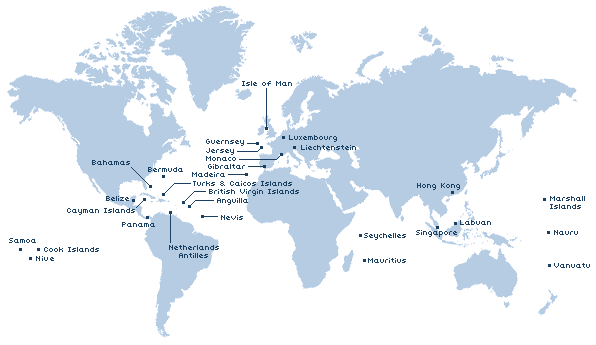
Frequently Asked Inquiries
For how long Does the Offshore Company Development Refine Typically Take?
The overseas company formation procedure normally ranges from a few days to a number of weeks. Factors affecting the timeline consist of jurisdiction, documentation demands, and responsiveness of legal and monetary establishments associated with the setup.What Are the Expenses Related To Preserving an Offshore Firm?
The expenses related to preserving an overseas company can differ commonly. They generally consist of annual enrollment fees, conformity costs, accounting solutions, and possible lawful fees, relying on the territory and particular organization activities included.Can I Open a Personal Financial Institution Account for My Offshore Business?
Opening up an individual copyright for an overseas business is normally not allowed. Offshore accounts should be company accounts, reflecting the company's activities, thereby adhering to regulations and ensuring proper monetary management and legal accountability.Are There Restrictions on International Ownership of Offshore Business?
What Takes place if I Fail to Abide With Offshore Laws?
Failing to adhere to overseas policies can result in extreme fines, including hefty penalties, loss of business licenses, and prospective criminal costs. Furthermore, non-compliance might lead to reputational damages and difficulties in future service operations.
Offshore companies are entities registered outside the individual's country of house, frequently in territories that provide favorable governing environments. Selecting the suitable territory for an offshore business is essential for making best use of tax obligation benefits and making sure conformity with neighborhood regulations. When taking into consideration the establishment of an offshore business, comprehending the tax obligation benefits connected with numerous jurisdictions is essential. Choosing the right jurisdiction for an overseas firm calls for a comprehensive understanding of the regulative atmosphere, as various countries impose varying degrees of compliance and administration. In addition, the political security and track record of a jurisdiction can impact the long-term stability of the overseas business.
Report this wiki page